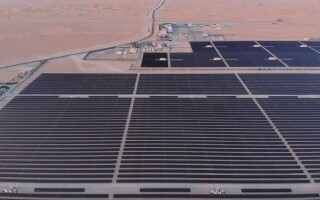
The United Arab Emirates is actively supporting global efforts to transition to clean energy by investing in more clean energy projects through its strategic partnerships, supporting platforms, and financing solutions for sustainable initiatives, especially in climate-vulnerable developing communities. The UAE celebrates World Clean Energy Day, which falls on January 26 each year, and has made rapid strides in developing renewable and clean energy projects, becoming a global model for the transition to sustainable and equitable energy for all. The combined renewable energy capacity in the UAE has exceeded 7.7 gigawatts, with projects under construction set to raise the total capacity to over 23 gigawatts by 2031. National investments in the renewable and clean energy sector have exceeded 190 billion dirhams, reflecting the country's confidence in this vital sector as a primary driver of sustainable development. The UAE has raised its national target for electricity production from clean sources to 35% by 2031 and integrated the UAE Hydrogen Strategy 2050 into the comprehensive energy planning framework. The UAE has achieved a remarkable 117% increase in renewable energy capacity between 2022 and 2025, reflecting the accelerating pace of the transition to a more sustainable and efficient energy system. Through national energy efficiency programs, led by the National Energy and Water Demand Management Program launched in 2020, the UAE has reduced carbon emissions by over 14.8 million tons and achieved financial savings exceeding $2 billion over five years, as part of a path targeting a 43% reduction in energy consumption and a 50% reduction in water use by 2050. The UAE launched the Global Alliance for Energy Efficiency to be the first international platform of its kind to bring together governments, the private sector, and international organizations under one umbrella. The alliance aims to double the global rate of energy efficiency improvement to over 4% annually by 2030, a goal that aligns with international climate commitments and enhances collective action. By leading this alliance, the UAE has solidified its position as a leading and inspiring global state, offering practical initiatives and providing an attractive environment for international partnerships and investments in sustainable energy. The UAE has made significant progress in achieving its fifty-year goals for energy sector sustainability, diversifying its energy sources, and advancing the transition to clean energy. For instance, the Barakah nuclear power stations, after a year of full operation, now provide 25% of the country's electricity needs and contribute to an annual reduction of 22.4 million tons in emissions. The UAE continues to contribute to accelerating the global adoption of clean energy sources through a portfolio of projects financed and implemented by its national companies in this sector. In this context, Masdar, a world leader in clean energy, announced in January this year that the total production capacity of its project portfolio had grown to 65 gigawatts, compared to 51 gigawatts in 2025, following two decades since the UAE's leadership made the strategic decision to invest in renewable energy at an early stage. Masdar reported that of the total 65-gigawatt capacity, 45 gigawatts are from projects in operation, under construction, or that the company is committed to developing, while the total capacity of projects in advanced stages is 20 gigawatts, meaning the company has covered two-thirds of the way to its 2030 target of 100 gigawatts. Meanwhile, Global South Utilities (GSU), an Abu Dhabi-based subsidiary of investment company Resources Investment, signed a strategic industrial partnership in January with Chinese battery energy storage system manufacturer Weiming, aiming for local manufacturing of advanced clean energy technologies in Abu Dhabi. This move supports the UAE's industrial development goals, energy transition, and supply chains for global South markets. Earlier, GSU had signed two agreements with the government of Madagascar in 2025 to boost the country's renewable energy production and accelerate its clean energy transition. The company also joined the Atum Solar project in Egypt to build an integrated industrial complex for solar cell and panel manufacturing with $220 million (810 million dirhams) in investments. GSU also announced the start of construction on a 50-megawatt solar photovoltaic power plant in the city of Sakaï in the Central African Republic to provide clean electricity to over 300,000 homes nationwide.