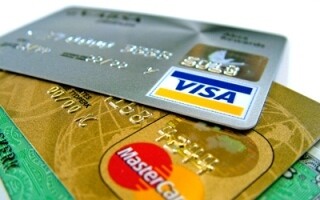
Europe is facing escalating warnings about the near-total dominance of American companies Visa and Mastercard on the payments market, amid fears that these networks are being used as a tool for economic and geopolitical pressure.
American Dominance in European Payments The CEO of the European Payments Initiative, Martina Weitemeier, warned about Europe's heavy reliance on payment systems through American companies Visa and Mastercard. In an interview with the Financial Times, Weitemeier stated that Europe has good national payment cards, but "we don't have anything that crosses borders." The newspaper explained that according to 2022 data from the European Central Bank, American companies Visa and Mastercard control about two-thirds of card-based transactions in the eurozone, with 13 European countries lacking an influential alternative to Visa and Mastercard cards.
The Ability to Isolate Europe The British newspaper The Guardian published an op-ed on January 26 titled "Europe's Sovereignty Begins at Payment Systems," in which it highlighted a warning from French politician Auré Laloux, who stated that U.S. President Donald Trump has the ability to isolate Europe from international payment systems. The newspaper clarified that through Visa and Mastercard, the United States has the financial capability to isolate Europe if its policies conflict with Trump's.
European Alternatives: A Step Forward Europe launched the digital "Weero" payment wallet in 2024, serving around 48 million users in Germany, France, and Belgium, with plans for expansion by 2027. However, technical and political challenges remain, particularly concerning the standardization of standards among member states and conflicting banking interests.
The Digital Euro: An Ambitious Sovereign Project The European Central Bank aims to launch the digital euro by 2029, making it an acceptable means of payment in stores and online, which could create an integrated European payment network to compete with Visa and Mastercard.
The Battle for Financial Sovereignty Escalates As Europe's dependence on American networks continues to grow, the competition is no longer just a commercial matter but has turned into a battle for sovereignty in an era where payment networks are becoming tools of geopolitical influence, and control over the flow of money is becoming a new face of global power.