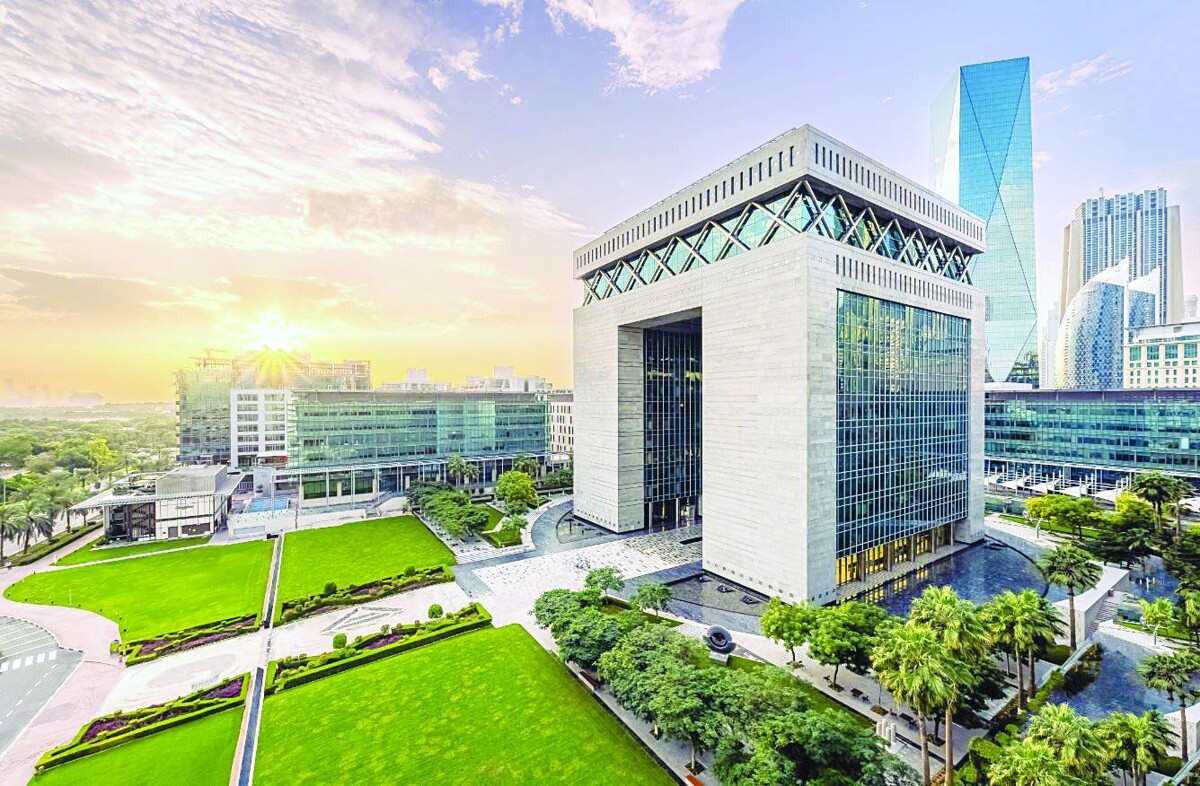
The Dubai International Financial Centre (DIFC) today issued its first report as part of the 'Future of the Financial Sector' series for 2026. Titled 'Global Wealth Outlook: A New Vision for Growth in a Changing World,' the report reviews the key factors reshaping the global wealth landscape amidst economic fluctuations, demographic shifts, and changing capital flow trajectories. The report indicates that there are approximately 23 million high-net-worth individuals globally, with combined wealth nearing $87 trillion, reflecting the pivotal role this group plays in steering global investment flows. In this context, the report highlights Dubai's growing status as a preferred destination for high-net-worth individuals, family offices, and investors seeking markets and investment portfolios that offer the flexibility and diversification needed to navigate volatility. It points to a significant structural shift in global wealth management strategies. As market volatility, geopolitical and economic instability, and varying investment returns persist, individuals and families are reassessing capital allocation and destination strategies. Investment decisions are no longer solely about asset allocation; geographical considerations have become a central element in building portfolios due to the importance of regulatory, legal, and tax frameworks in protecting and sustaining wealth long-term. The intergenerational transfer of wealth, projected to reach around $124 trillion by 2048, is a key driver of this shift. With the growing influence of younger heirs, investment strategies are focusing more on private markets, artificial intelligence technologies, and sustainability and impact considerations, while maintaining traditional return objectives. The next generation of wealth owners is adopting a multi-dimensional investment approach that balances achieving financial gains with flexibility against economic fluctuations and inflation, the resilience of portfolios against unexpected disruptions, family cohesion across generations, and creating a tangible positive social and environmental impact, thereby cementing the family's reputation and standing in the long run. The report also underscores the increasing role of women in wealth management, who now constitute over 10% of high-net-worth individuals and are expected to inherit 95% of the $54 trillion in wealth passing between spouses. Heiresses often direct their investments toward areas aligned with their values and social priorities, such as sustainable, charitable, and innovative projects. High-net-worth individuals are also increasingly focusing on investing in artificial intelligence potential, particularly in healthcare, education, and resource efficiency. The renewable energy sector follows AI as the fastest-growing sector in the coming years, with high-net-worth individuals showing greater interest in expanding their sustainability investments. In this growth, wealthy individuals are no longer just symbolically supporting sustainability causes but are making substantial financial investments that reflect their practical commitment to environmental and social issues. It has become essential for wealth advisors to move beyond the traditional role of asset valuation and portfolio construction. They must now manage special purpose vehicle structures, select trusted partners in venture and growth capital stages, and integrate data-driven analytics into their strategic recommendations. The report explains that wealth management remains an activity primarily based on human relationships; building trust, understanding complex family dynamics, and appreciating the unique goals and values of each family are fundamental to ensuring successful multi-generational wealth management. His Excellency Arif Amiri, CEO of the Dubai International Financial Centre, stated that global wealth management strategies are undergoing a fundamental structural shift. Families face investment environments dominated by volatility, divergent regulatory frameworks, and the changing priorities of new generations, compelling them to rethink concepts of risk, flexibility, and long-term growth. In this context, geographical considerations are as crucial as investment strategies themselves, having become a critical element in protecting and preserving wealth. Dubai, particularly the DIFC, anticipated this shift by providing a stable and open environment to global markets with a high degree of regulatory clarity, enabling families and investors to make long-term investment decisions with complete confidence. The report affirms Dubai's leadership as a global hub for private and family wealth, combining the institutional depth of established financial centers with a flexible and stable investment environment, along with tax advantages attractive to global investors. According to Henley & Partners estimates, the UAE attracted approximately 9,800 new millionaires in 2025, mostly in Dubai, recording the highest net inflow of investments globally amidst ongoing changes in the tax policies of traditional financial centers. The DIFC hosts 1,289 family-owned entities, making it the largest family wealth ecosystem in the UAE and enhancing Dubai's position as a leading destination for private wealth. This growth is built on a comprehensive ecosystem including private banking, wealth and asset management, and legal and advisory services, aligning with the UAE's 2026 declaration as the 'Year of the Family' and highlighting the growing role of families in global wealth management. The report highlights the accelerating professional capabilities of family offices and wealth managers as demand grows for investments in private markets, AI-based analytics, and advanced governance and advisory services. In line with this, the DIFC continues to enhance its wealth management infrastructure through the 'DIFC Family Centre' – the first initiative of its kind in the world to support multi-generational families. The 'Global Wealth Outlook: A New Vision for Growth in a Changing World' report indicates that Dubai is not just keeping pace with global wealth transformations but is also playing a pivotal role in shaping a comprehensive investment environment that supports the growth and prosperity of private and family capital.