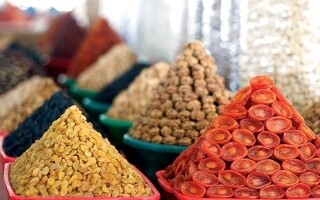
A monitoring survey revealed a wide variety of dried fruit products, contributing to increased diversity in these products and their brands. Key products include apples, plums, apricots, figs, blueberries, and white and red berries, as well as grapes (raisins) in green, golden, and black varieties, pomegranate seeds, strawberries, kiwis, bananas, papaya, cherries, squash, pineapple, and oranges. The products come in various forms: sold individually, mixed with multiple types, or combined with nuts, oatmeal, and dark chocolate chunks. There are also packages specifically for health diets, sold without added sugar, as well as healthy products packaged with coconut flakes. The monitoring showed variations in the sales methods for dried fruits, with some sold loose by weight, while others are pre-packaged in plastic or paper bags or in metal cans in various shapes. The survey also indicated an expansion of private brands for cooperatives and retail outlets in the dried fruit sector, especially for figs, apricots, plums, and raisins. The countries of origin for dried fruits varied greatly, including South Korea, the Philippines, India, the United States, the United Kingdom, Brazil, Argentina, Chile, Spain, Switzerland, Italy, Germany, France, China, Latvia, Iran, and a significant share of products packaged within the UAE. Sun-dried organic products commanded the highest prices among dried fruits, with a 200-gram pack of organic berries costing up to 34 dirhams and a 500-gram pack of organic dried apricots costing 40 dirhams. The production process for dried fruits involves various methods, the most prominent being natural sun-drying, which makes these products more expensive compared to those dried artificially using electric dryers. A sales official at one retail outlet, Mohamed Naser, stated that "dried fruit products are famous for their high sales during the month of Ramadan, with rates increasing by more than 50% compared to regular days, due to their association with dietary habits of different consumer segments during the holy month." He added that "the most prominent types of dried fruits that see a surge in demand during Ramadan are raisins, plums, apricots, and figs," noting that "the increased demand for purchasing dried fruits during Ramadan enhances market competitiveness and leads to more price discounts on these products to increase sales shares and attract consumers." Another retail sales official, Bayo Boet, confirmed that "fruit products are distinguished by great diversity in the markets, which suits the different demands and tastes of consumer segments from various nationalities." He pointed out that "dried fruit sales see demand year-round, as they are known to be healthy products, but they achieve a significant increase during the month of Ramadan, by rates exceeding 50% compared to regular days." He explained that "raisins or dried grapes are the most in-demand during Ramadan, followed by figs and apricots," noting that "the increase in types packaged within the country is due to many importing companies preferring to pack their products locally, given the high quality of the packing process in the country and the advantage of lower costs compared to obtaining products packed abroad." Dried fruits offer numerous health benefits. They are a rich source of beneficial fiber for body health, enhancing gut health, and helping control blood sugar levels and reduce cholesterol. They can also be used in diet programs for weight loss. Additionally, they contain antioxidants that protect the body from many diseases, such as cancer and heart disease. Dried fruits are a source of quick energy, making them an ideal choice for athletes before physical activity due to their high content of natural sugars. They contain numerous nutrients, vitamins, and minerals, such as vitamins A and K, and important body minerals like iron, magnesium, and potassium. Many reports recommend consuming dried fruits in moderation due to their high sugar and calorie content to avoid weight gain and high blood sugar. It is preferable to avoid types with large amounts of added sugar. Increasing the amount of added sugar in some dried fruit products can make them harmful for diabetics. Reports have advised the need to pay attention to the amount of sugar and calories in these products, especially when mixed with products like chocolate. Dried fruits contain a very low amount of sodium and good amounts of potassium and fiber. Sugar in dried fruits is traditionally in the form of glucose and fructose, and they are considered a rich source of insoluble fiber necessary to stimulate digestive movement and regulate and speed up the passage of food through the intestines.