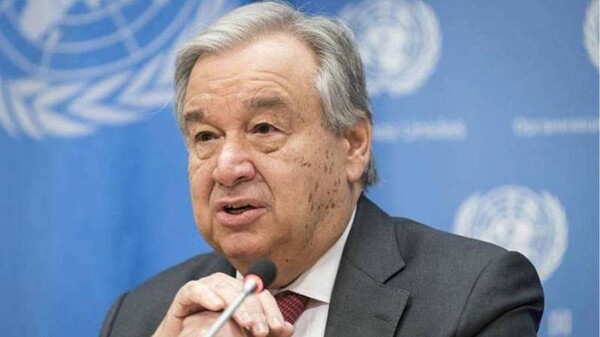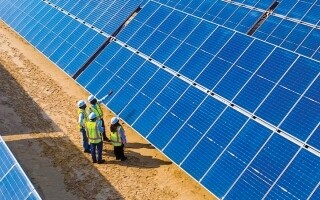
A new report by the International Renewable Energy Agency (IRENA) confirms that the strategic deployment of renewable energy sources has enhanced the resilience of several countries against the current energy crisis. The report, aimed at policymakers dealing with disruptions in international energy markets, provides a set of immediate and long-term measures to mitigate the worst impacts of the crisis on nations and communities, and to guide economic recovery in a way that enhances energy security and resilience. The report emphasizes that renewable energy sources are already helping to reduce dependence on fossil fuel imports in several countries, from Spain and Portugal in Europe to China, India, and Pakistan in Asia. Globally, renewable energy capacity continues to grow at a record pace, with 692 GW added in 2025. Additionally, incentives should support the heating, electricity, electric vehicle infrastructure, and sustainable aviation fuel sectors. In the long term, clear policy frameworks should be established to attract investment, integrate electricity into national planning, and strengthen local supply chains. It is crucial to facilitate the implementation of hybrid projects, support the electrification of the industrial sector, expand small networks, and link fossil fuel subsidies to achieving renewable energy targets. The declining costs have driven a major shift in energy generation economics, with over 85% of new renewable energy projects now cheaper than fossil fuel alternatives. Since 2010, the cost of solar energy has fallen by 87%, onshore wind by 55%, and battery energy storage by 93%. Meanwhile, dispatchable renewable energy sources, which combine wind or solar power with battery storage, provide 24/7 electricity at a lower cost than most fossil fuel-based alternatives. In this regard, IRENA Director-General Francesco La Camera stated, "The current crisis clearly demonstrates the strategic importance of renewable energy as a necessity for national energy security." He added, "There is an opportunity to prioritize measures that enhance long-term energy stability, and governments must urgently consider targeted interventions to steer investments and emergency responses towards accelerating renewable energy adoption and the electrification of processes and energy-consuming sectors." La Camera continued, "The examples of countries in the IRENA report confirm the resilience of renewable energy and show the growing role it can play in enhancing the flexibility and security of energy systems, reducing exposure to fossil fuel price volatility, and supporting long-term economic stability." The report anticipates that the effects of this crisis will extend beyond energy markets and supply chains to impact economies as a whole, affecting inflation rates and economic activity, and that the most severe impacts will hit the most vulnerable communities worldwide. In the medium term, the report recommends that actions focus on accelerating renewable energy deployment while enhancing resilience and improving investment conditions. These actions include accelerating the implementation of renewable energy and network projects, securing financing, and adapting policies to address inflation and supply chain pressures. Expanding battery storage capacity, demand-side measures, and grid improvements will contribute to enhancing resilience and increasing the use of solar and wind energy.