Collagen is one of the most important structural proteins in the human body, forming the basis for skin elasticity and strength, and contributing to the health of bones, joints, and connective tissues. As we age, the body's natural collagen production gradually decreases, leading to signs of aging such as wrinkles, loss of skin radiance, and sagging.
To support healthy collagen levels, it is recommended to include nutrients in your diet that boost its production. Here are several helpful tips:
First, follow a healthy diet, prioritizing protein and avoiding added sugar. Second, get plenty of sleep. Also, protect your skin from direct sun exposure, limit alcohol consumption, and avoid smoking.
Products that can help boost collagen production:
• Berry Juices: Strawberry, raspberry, and blueberry juice are a good way to get a dose of vitamin C, which promotes collagen production. Some evidence suggests that regular consumption of berries can help skin wound healing and significantly improve collagen formation.
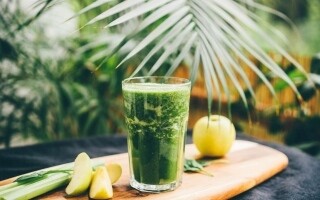
• Green Juices: Because leafy vegetables are rich in nutrients, vitamin C, amino acids, and protein, they can help your body produce collagen. To boost collagen production in general, try juicing leafy greens like spinach, kale, Swiss chard, and rutabaga, though keep in mind that the juicing process may reduce some nutrients in the drink. Research indicates that green vegetables are beneficial for delaying skin aging and enhancing tissue regeneration in the body, making them a fundamental part of a nutritious diet to combat aging.
• Bone Broth: Bone broth is a rich source of collagen, as collagen is naturally found in animal products such as beef, chicken, and fish. A cup of store-bought or homemade bone broth can provide about 4 grams of collagen. However, studies note that this can vary depending on the type of bone broth (beef, chicken, turkey, or fish) and the preparation method.
• Citrus Juices: The high levels of vitamin C and antioxidants in citrus fruits can help boost collagen production. Vitamin C's role in collagen formation is why people deficient in it may experience skin wound healing issues. Some animal studies have shown that citrus-based juices boosted the body's anti-aging activity, including reducing wrinkles and increasing collagen content. However, more human research is needed to confirm this link. To potentially benefit from this collagen-boosting effect, try incorporating 100% orange, grapefruit, lemon, or lime juice (with no added sugar or limited amounts) into your diet.
• Soy Milk: Soy milk is a complete protein and contains isoflavones, some research suggesting they may support collagen production. Studies have shown that soy milk, due to its isoflavone content, boosts collagen and improves photo-aged skin (sun-damage-induced aging) and skin hydration in postmenopausal women.
• Milk: While dairy products, including milk, do not contain collagen on their own, because they are complete proteins, your body can use these amino acids to produce collagen. Studies have shown that the proline and glycine in milk help boost collagen production, improve skin elasticity, and support joints.