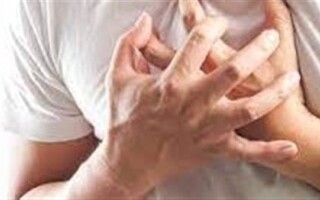
Cardiologists warn of subtle signals the body sends 24 to 48 hours before a heart attack. Experts explain that arterial narrowing, blood vessel inflammation, and reduced oxygen supply lead to pre-symptomatic physical signs. They emphasize that monitoring these warnings and seeking urgent care can help prevent severe damage to the heart muscle. Physiological changes in the bloodstream begin when blood flow is partially obstructed by the buildup of unstable plaque in the coronary arteries. In the 48 hours leading up to the crisis, inflammation levels in the vessels increase, with a noticeable fluctuation in the amount of blood reaching the heart. This places significant strain on the heart muscle, leading to a decrease in the oxygen supply needed for tissues to function efficiently. The nature of warning signs differs between men and women. Men typically experience sharp chest pain, whereas women present with atypical symptoms such as severe fatigue, nausea, and shortness of breath. This disparity can sometimes lead to delayed diagnosis in women, as these signs are not directly linked to cardiac issues. This necessitates careful attention to any physical changes as soon as they occur. The signs preceding a cardiac crisis include: unexplained fatigue, sudden tiredness without physical exertion may indicate the heart's struggle to pump blood; chest tightness, a feeling of pressure, fullness, or burning that comes and goes, and may resemble indigestion; shortness of breath, difficulty breathing during routine activities or at rest due to fluid buildup in the lungs; pain in the limbs and jaw, discomfort may sometimes radiate to the left arm, shoulders, back, or jaw intermittently; sleep disturbances, some people experience sudden insomnia or waking up with anxiety a short time before the event. The risk is higher for individuals with diabetes, high blood pressure, obesity, as well as smokers and those with a family history of heart disease, compelling them to monitor any changes in their health condition very closely.