A certified nutritionist, Valentina Cartago, states that many scientific reviews still point to the need for more extensive human clinical trials to confirm these effects.
Weight Management Cartago says: "There is some evidence that saffron may modestly help control appetite and manage weight." She adds: "Although some evidence on saffron supplements looks promising, especially regarding improving mood, insomnia, and premenstrual syndrome, we need more research to confirm its safety when used for longer periods of several months."
Depression and Anxiety Evidence also suggests that saffron may help alleviate symptoms of depression and anxiety, according to a recent scientific review. Cartago adds that scientists also need a better understanding of how saffron affects different people differently.
Cancer Some biologically active compounds in saffron—particularly crocin and quercetin—have shown anti-cancer effects in some lab and animal studies. These compounds appear to interfere with the processes that cancer cells rely on for growth and spread, including in leukemia, breast cancer, and colorectal cancer. However, it is still unclear if saffran can be successfully used in cancer treatment.
Sleep and Insomnia A recent review published in the journal Sleep Medicine found that taking a 28 mg daily dose of saffron extract for four weeks was associated with a "notable improvement" in insomnia severity, sleep quality, and restorative sleep compared to those who took a placebo.
Menopause Symptoms and Reproductive Health Dr. Laura Vines, a nutritionist and author of "Eating Well for Menopause," says that while there is no evidence that saffran directly affects hormonal imbalance, it may help alleviate some menopausal symptoms such as low mood, anxiety, and poor sleep. Saffron also appears to ease premenstrual syndrome (PMS), including mood swings, irritability, breast tenderness, and bloating, and may also help relieve menstrual cramps.
Eye Health The ancient Romans used saffron to treat eye problems, and it seems they were onto something. The compound crocin, in particular, appears to help protect retinal cells from inflammation and damage. Some markers of inflammation and oxidative stress—a type of cell damage—also improved. Cartago adds: "Despite the small size of the studies, the results have been repeated enough for us to say that saffron may help support eye health with age."
Heart and Cardiovascular Health Cartago says this area is among the strongest in supporting saffron's potential health benefits. A review of studies found that saffron supplements led to "significant reductions" in waist circumference and improved blood sugar regulation in trial participants. However, the two studies the review was based on were small.
ADHD The brain pathways linked to mood are also involved in attention and impulse control, which may explain researchers' interest in whether saffran might benefit people with ADHD. In small clinical trials involving children and adolescents, saffron extract was linked to improvements in some symptoms of the disorder, such as inattention and hyperactivity.
Important Note Cartago adds: "However, it is important to note that study authors consistently emphasize that saffron supplements are not a substitute for medical therapy."
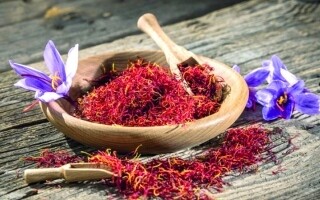
Scientific Evidence Growing scientific evidence suggests that saffron or its active compounds may play a role in supporting the treatment of a wide range of health conditions. According to a report by The Telegraph, the purple, cup-shaped flowers of the Crocus sativus plant contain three reddish-orange stigmas that are harvested to make saffron. It is rich in compounds called crocin, picrocrocin, safranal, and quercetin. These compounds give saffron its strong aroma and distinctive musky, bitter, sweet taste in foods, and scientists believe they are also behind its potential health benefits.