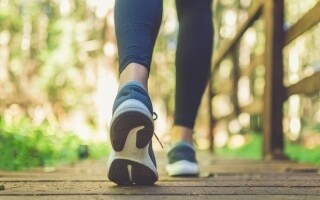
A quiet walk around the house or in the garden, or performing some simple stretches, is an effective way to help the stomach and intestines perform their functions smoothly. This movement also provides an opportunity to strengthen family bonds by walking with family members or friends, combining health benefits with social activity. Experts confirm that incorporating light movement into the daily Ramadan routine helps maintain a healthy weight, improve sleep, and feel energetic throughout the long hours of fasting. Thus, light movement after iftar becomes a simple yet effective daily habit for maintaining digestive health and enjoying a more comfortable fast, while supporting the physical activity the body needs after long hours of fasting. Studies indicate that engaging in light movement after iftar helps improve digestion and reduce problems with bloating and feeling heavy during the month of Ramadan. A short 10–15 minute walk after a meal is ideal for supporting the digestive process and stimulating blood circulation without putting pressure on the stomach. Moderate movement after iftar helps the body absorb nutrients better and reduces the risk of high blood sugar, especially for fasters who suffer from diabetes or insulin resistance. Light physical activity also enhances the secretion of digestive juices, which helps break down food faster and reduces feelings of nausea or bloating. It is advised to avoid intense exercise immediately after iftar, as it may cause physical strain and acid reflux.