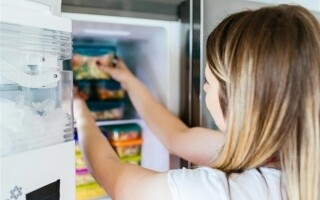
According to microbiologist Dr. Primrose Fryston from the University of Leicester, some foods that seem safe can pose a great risk if not stored properly. Pizza. Leftover pizza is considered one of the most surprisingly dangerous foods, not only because of the meat or cheese, but also because of dried herbs and spices like basil, oregano, and pepper, which can carry bacteria such as Salmonella and Clostridium perfringens. Therefore, pizza should be covered before placing it in the refrigerator, and it is recommended to consume it within two days. Chicken. Cooked chicken is highly perishable due to its high water content and low acidity, which makes it easy for bacteria to grow in it. It can be stored in the refrigerator for up to three days, but it is essential to ensure it is cooked thoroughly and that no part containing blood is consumed. Rice. As for leftover rice dishes, whether it's plain rice, fried rice, risotto, or a burrito, they can harbor Bacillus cereus bacteria. If you are a fan of eating leftovers from the fridge, like cold pizza or fried rice, it is important to be cautious about how long they are stored in the fridge to avoid the risk of food poisoning. These bacteria can remain as heat-resistant spores even after cooking. If rice is left at room temperature for more than two hours, these spores can germinate and produce toxins that cause vomiting and diarrhea. This way, you can enjoy leftover meals without risking your health, making sure to eat them within a day or two at most. And even if the pizza is cooked well, leaving it at room temperature for more than two hours allows bacteria to multiply quickly. To prevent this, rice should be cooled quickly after cooking and consumed within 24 hours, according to the British newspaper Daily Mail. Canned Foods. As for canned or highly acidic foods, such as tomatoes, they can be stored for five to seven days if covered and refrigerated. Meanwhile, low-acidity foods like meat, fish, fruits, vegetables, and pasta should be consumed within three days. Dr. Fryston summarizes that the key to avoiding food poisoning is to store leftovers quickly after cooking, cover them well, and adhere to safe timeframes.