State Minister for International Cooperation Reem bint Ibrahim Al Hashimi emphasized the importance of content creators' role in societies, stressing the necessity of ethical responsibility when dealing with humanitarian issues. She explained that statistics represent real human suffering, and urged creators to transform numbers into tangible human stories.
In the context of self-reflection, Al Hashimi called on content creators to verify information and data before publishing, focusing on the human dimension, and conducting a self-review of their motives. This is to ensure that the content is directed towards serving higher values and promoting unity, rather than inciting anger or achieving personal gain.
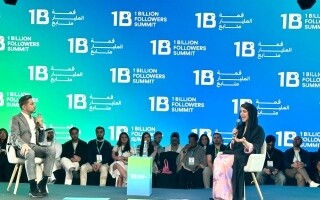
During the session "Delivering Aid to the World: Turning Attention into Action" as part of the "Billion Followers Summit 2026", Al Hashimi highlighted the importance of human storytelling and global solidarity in crises. She stated that today's escalating challenges require broader participation that goes beyond traditional frameworks. According to her, sincere narration and human kindness are essential elements for moving societies from the logic of numbers and statistics to the depth of human experience.
She noted that the ongoing crises can no longer tolerate formal discourse and require the involvement of communities and content creators in conveying authentic, genuine, and empathetic stories. This contributes to building an inclusive human consciousness that enhances global solidarity.
Al Hashimi reviewed international humanitarian efforts, mentioning that the UN's Global Humanitarian Response Plan provided over two billion dollars in humanitarian aid to the Gaza sector, representing about 44% of the total international aid provided. She explained that the program was at the forefront of the response since October 7, providing field hospitals, managing a bakery to ensure food security, facilitating the evacuation of patients for treatment, and expanding its support to other crises, including Sudan, which she described as one of the worst humanitarian crises since World War II in terms of the number of affected people.
She also referred to the UN's "Global Humanitarian Overview" program, which monitors over 200 conflicts worldwide and prioritizes its intervention based on the scale of the humanitarian disaster and access possibilities. Al Hashimi stressed the importance of forging partnerships with content creators, the private sector, governments, and multilateral organizations to raise awareness and provide sustainable support.
Sharing her leadership experience, Al Hashimi recounted lessons from her career, which began with assuming a ministerial position at the age of 27 and leading the first World Expo in the region, which attracted 24 million visitors. She described motherhood to three young children as the greatest test of pressure, but at the same time affirmed that the digital space holds significant challenges, yet it remains a fertile ground for positive impact.
Al Hashimi confirmed that leadership under pressure requires building strong teams with a clear vision, flexibility, preparedness for contingency plans, and the ability to act swiftly in crises, as was the case during the COVID-19 pandemic.