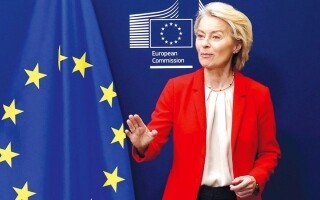
Europe is undergoing significant transformations, striving to enhance its economic and defense autonomy. Estimates indicate that since 2022, 36% of European defense contracts have been awarded to American arms manufacturers, which, however, contributes to economic growth. Brexit, while volatile, preserved a more integrated core at the heart of the European Union. After the war with Russia, Europe surprised observers by imposing comprehensive sanctions on Moscow and freezing 210 billion euros of assets of the Russian Central Bank. Europe narrowly avoided a near-total and unexpected cutoff of Russian gas, which accounted for 40% of its imports, and has provided 201 billion euros in military and financial aid to Kyiv, compared to 115 billion euros from the United States. A second Trump administration would pose another existential shock to the continent, threatening high tariffs and even the annexation of Greenland, prompting decisive European responses. Germany has announced a defense and infrastructure plan potentially worth one trillion euros, abandoning its sacred debt-reduction policy. European leaders, including European Commission President Ursula von der Leyen, French President Emmanuel Macron, and German Chancellor Friedrich Merz, are now committed to achieving greater integration and building a more sovereign and capable Europe. While money is not the primary obstacle in developing European defense capabilities, the critical question remains how far Europe should reduce its risks in a post-Trump America and whether it should embark on a costly, long-term endeavor to build parallel intelligence, surveillance, and space systems instead of relying on Washington. Experts warn that without swift and coordinated action, Europe risks not only another decade of modest economic growth and pressure from Washington and Beijing but also populist revolutions that could slow or reverse its momentum of cohesion.