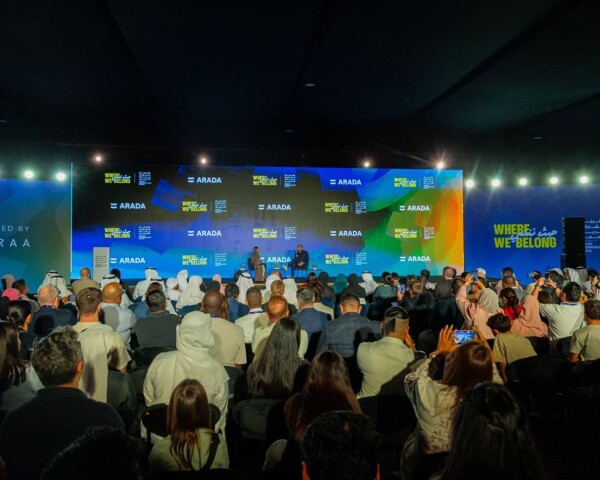
During the Sharjah International Book Fair, a panel discussion titled «Literature and Social Identities» brought together a select group of novelists and researchers from diverse cultures. They affirmed that literature, despite digital transformations and globalization, will remain faithful to its cultural roots, expressing the peculiarities of peoples and their collective memory.
The session featured Lebanese scholar Dr. Mamon Hassan Trabba, Pakistani author Mera Sethi, Nepalese novelist Samrat Upadhyay, and Syrian novelist Sumer Shahada, and was moderated by Tarnim Ahmed. Participants explored the relationship between creativity and identity, and the role of literature in preserving memory and shaping contemporary human consciousness.
Dr. Trabba explained that literature constitutes an intellectual and social front that reflects the habits, traditions, and rituals of peoples, highlighting its role in shaping societal consciousness, even amidst theories that suggest the decline of the concept of identity in the face of global changes. Meanwhile, Mera Sethi emphasized the importance of a writer's freedom and their grounding in personal feelings and experience. Samrat Upadhyay stressed that human literature transcends geographical and political borders, giving it a global dimension.
Syrian novelist Sumer Shahada spoke about his experience of writing inspired by war and displacement, noting that his novels document social and human transformations, revealing the truth with honesty and responsibility. He affirmed that identity remains the essence of the human experience even in the harshest of circumstances.