Nurturing emerging literary voices, expanding readership, and ensuring access to books, education, and imagination is not merely a cultural luxury. The stories of Africa are not written in books alone; they are woven from its landscapes, crafts, songs, and the ways of life of its peoples.
Gaiton McKenzie: "The festival reflects the depth of historical and cultural ties between Sharjah and Africa, offering a contemporary way to rediscover them that speaks to the future."
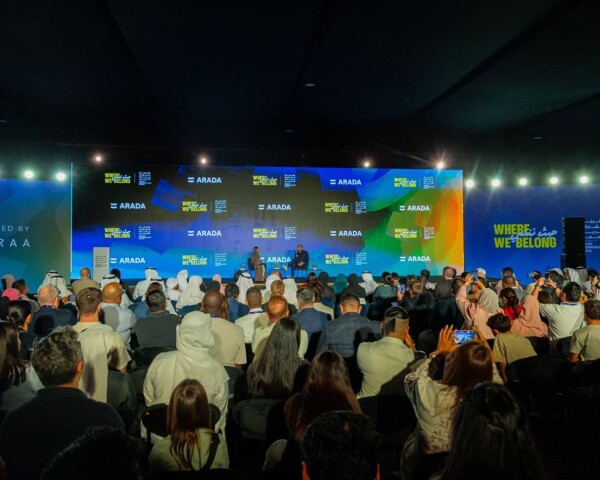
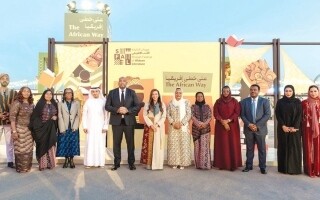
Mary Mwinyi: Sheikha Bodour bint Sultan Al Qasimi, Chairperson of the Sharjah Book Authority, and Mary Mwinyi, First Lady of Zanzibar and Founder and Chairperson of the Maisha Bora Foundation, inaugurated the second edition of the Sharjah African Literary Festival under the theme "On the Footsteps of Africa." Sheikha Bodour honored Zimbabwean author and novelist Tsitsi Dangarembga with the "Sharjah Literary Merit Award" in recognition of her literary and intellectual journey and her profound contribution to enriching African and world literature.
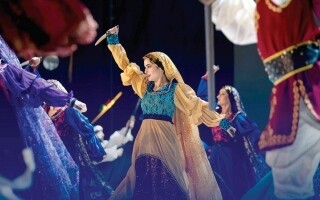
The opening ceremony was attended by the Authority's CEO, Ahmed bin Rakad Al Ameri, South Africa's Minister of Sport, Arts and Culture, Gaiton McKenzie, along with senior officials, heads of cultural bodies, and leaders in the publishing industry, as well as Emirati and African writers and thinkers. The ceremony began with a performance by the DCMA music academy, which captured the spirit, rhythm, and living memory of Africa, presenting a blend of singing, dancing, and messages of hope, love, and solidarity rooted in its community origins in Limpopo.
During a tour of the festival grounds, Sheikha Bodour bint Sultan Al Qasimi explored the event platforms and accompanying cultural programs, meeting with writers, publishers, and guests. She also visited the artisan craft pavilions and the children's workshop area.
Organized by the Sharjah Book Authority, the festival brings together 20 African writers and 9 Emirati writers until January 18th. It aims to celebrate African literature, highlight its narrative transformations and modern trends, and strengthen cultural and intellectual bridges between Africa and the Arab world. The festival features a rich program of literary and creative events, including 20 panel discussions on the present and future of African literature, five poetry evenings, 20 workshops for children, and 10 cooking sessions. The program also includes interactive sessions, book signings, musical and artistic performances, and spotlights the literary scenes of Zanzibar, Ethiopia, and South Africa, as well as the growth of their publishing sectors and their linguistic and cultural diversity, which reflects the richness of African literature.
Ahmed bin Rakad Al Ameri stated that the Sharjah African Literary Festival embodies a strong cultural vision led by His Highness Sheikh Dr. Sultan bin Mohammed Al Qasimi, Member of the Supreme Council and Ruler of Sharjah, who has frequently written about Africa and the Arab presence there, a presence rooted for hundreds of years. He noted that the opening of the festival's second edition also marks a new page in Emirati-African relations based on knowledge, literature, and thought.
Al Ameri added: "Sharjah and Africa have been historically linked by books, markets, travels, and language. Today, under the leadership and guidance of Sheikha Bodour bint Sultan Al Qasimi, they are united by literature and thought. From this perspective, the festival is a living embodiment of the depth of these ties and an opportunity to rediscover them in a contemporary form that speaks to the future."
Mary Mwinyi stated: "The stories of Africa are not written in books alone; they are woven from its landscapes, crafts, songs, and the ways of life of its peoples. Literature, like heritage, carries memory and identity and holds the potential of the future."
Gaiton McKenzie delivered a speech in which he expressed his gratitude to the UAE government and people for their warm reception and generous hospitality, conveying the greetings of South African President Cyril Ramaphosa to the emirate of Sharjah and the festival audience. He praised the organization of the festival as a platform that celebrates African literature, culture, and creative imagination, opening up space for dialogue, cultural exchange, and cooperation. He emphasized that supporting emerging literary voices, expanding readership, and ensuring access to books, education, and imagination is not a luxury but a necessity for building more aware and resilient societies. He called on the UAE's cultural movement, saying: "Let us leave this gathering more committed to dialogue, creativity, solidarity, and strengthening the ties between literary communities in the UAE, South Africa, and the wider world."
Tsitsi Dangarembga, the recipient of the "Sharjah Literary Merit Award," is one of the most prominent literary voices on the African continent and in the world. The Zimbabwean writer and filmmaker has made a significant mark on African literature through her acclaimed trilogy, including the novel Nervous Conditions, which is considered one of the most important literary works to offer a profound vision of colonialism, identity, and education in Africa. She won the Africa section of the Commonwealth Writers' Prize, and her novel This Mournable Body was shortlisted for the Booker Prize.
Ahmed Al Ameri: