In recent years, the growing interest in podcasts has transformed this industry into one of the most influential media formats globally. Podcasts have become a free space for discussion, analysis, storytelling, and expression, away from the time constraints and strict censorship that often govern traditional media. Many Arab content creators have begun to realize that this creative free space can be a powerful tool for telling their stories the way they want, not as dictated by the requirements of traditional media. Most podcast creators interviewed by 'Emirates Today' agree that at the heart of this remarkable movement, Dubai stands out as a fundamental Arab platform for this new voice. Through the platforms, studios, and supportive initiatives it hosts, Dubai has become home to Arab podcasting. Key among these is the 'Dubai Podcast' platform, which has become an annual hub for celebrating World Podcast Day, bringing together promising experiences under one roof. Podcasts began in modest recording rooms across various Arab neighborhoods, launching to tell compelling stories, initiate boundless discussions, weave new forms of consciousness, and create alternative media patterns, mapping out a new Arab podcast scene with its region, audience, success factors, and even its voice and impact on the Arab street.
"A Clean Service"
Tunisian media personality Rawaia, creator of the podcast "Safat Nazaifa" (A Clean Service), started her career in print media before moving to radio, where she found a broader space to tell stories from her community. She described this transition by saying, "There's no doubt that my radio experience led me to podcasts, as they offer the host the opportunity to tell the story in their own way. That's why I believe I succeeded in blending two passions: writing and radio." She added, "During the COVID-19 pandemic, I launched my first program, 'Safat Nazaifa,' from a small room, relying solely on a smartphone." Regarding her vision for the Arab scene and the audience's acceptance of podcasts, Rawaia confirmed that the Arab region lags behind global podcast experiences but is now moving steadily. She stated, "There's no doubt that everyone has come to understand the importance of podcasts, which allow us to tell our stories as we love. But we are continuously obligated to avoid the pitfalls and bumps of superficiality and imitation. That's why I always urge precision in choosing innovative topics that resonate with the public's interests and reflect their concerns and issues, ensuring the host has their own unique style and topics."
"Meaningful Messages"
In the embrace of Dubai, the "Podcaster" experience was born through the efforts of entrepreneur Sarah Abdel Razek and Rima Mahmoud, which quickly evolved from an individual initiative into a professional service. They founded a specialized company in podcast production, convinced it would become a hallmark of new media. Sarah successfully created the popular social podcast "Hayati fi Ashra" (My Life in Ten), followed by "Al-Masal al-Zahabi" (The Golden Triangle), where she discusses entrepreneurship and social media influencers in the UAE and Egypt. In her interview with 'Emirates Today,' Sarah did not hide her concern about the trend of stirring controversy in podcasts: "There's no doubt that the game of provoking controversy is dangerous, as it makes podcasts lose their value. Those who want to succeed in this field must have a genuine message and not seek to gather views and stir controversy at the expense of content and substance." She thanked the Dubai Press Club for its tremendous efforts in supporting podcast creators through meetings, workshops, and specialized events that allow for the exchange of ideas and maximum benefit from industry leaders to develop their vision.
"Authentic Content"
Media specialist Rima Mahmoud, who worked in print media before sharing short audio episodes of her podcast "Barh al-Malouf" (The Familiar), telling stories and asking questions that come to everyone's mind, confirmed: "The key to success in podcasts is presenting authentic content in a spontaneous way. I believe this is what differentiates them from programs that adhere to a channel's editorial policy. Podcasts, on the other hand, differ in terms of freedom of decision-making and asking questions in a more natural and spontaneous manner." She also noted, "There is a significant lack of podcasts in the Arab world on topics like horror, law, and the arts. While artistic programs flood and diversify TV channels, we don't see podcasts that tell the stories of Arab artists' journeys to fame. We also notice a clear deficiency in utilizing sports topics and figures in podcasts compared to the focus on business, various sciences, and culture."
"Real Stories"
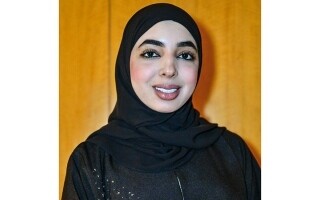
Content creator Aroua Diab stated that her connection with podcasts began with a personal experience when she was invited to a private podcast episode to share her story of bullying. This led her to discover the value and impact of podcast messages, which have now become a new media trend addressing issues of concern to all segments of society by featuring individuals at the heart of events. Aroua affirmed: "I feel that podcasts have added a unique experience and more information to us, and they now have a clear Arab footprint. The strength of podcasts lies in tackling events from real life, unlike many pre-scripted television interviews. That's why I expect a promising future for this medium; the more specialized it becomes, the more mature the content and the more beneficial it is for people."
"A Living Archive"
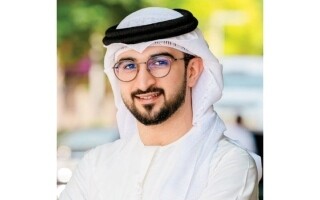
From Saudi Arabia came the voice of Abdulaziz Al-Hadian, the co-founder and CEO of the "Myxx" platform, carrying a vision rooted in his belief in the power of the spoken word. He shifted his focus from the energy sector to media by founding a content platform. He said: "I chose podcasts out of my conviction that the spoken word has a power today that it has never had throughout history, thanks to modern technologies that have given voice a new opportunity not just to convey words, but also to convey feelings and stories, and other things that don't always reach the level of being written, which saved recordings allow for." Regarding the landscape and future of Arab podcasts, Al-Hadian believes that podcast creators have now played their part and proven that the audience wants to listen. The major challenges today are not in the content but in the legislation, due to the absence of specialized companies in monetization and public relations. He said: "Those who criticize podcasts from the perspective of purpose and value, I first call upon them to reconsider their choices, as one can follow various types of content and choose the most suitable. After all, value is a subjective concept: for some, it is linked to the depth of the content, for others to entertainment, laughter, comedy, literature, thought, or even serving the community. Ultimately, the listener or viewer is the one who determines the real value."