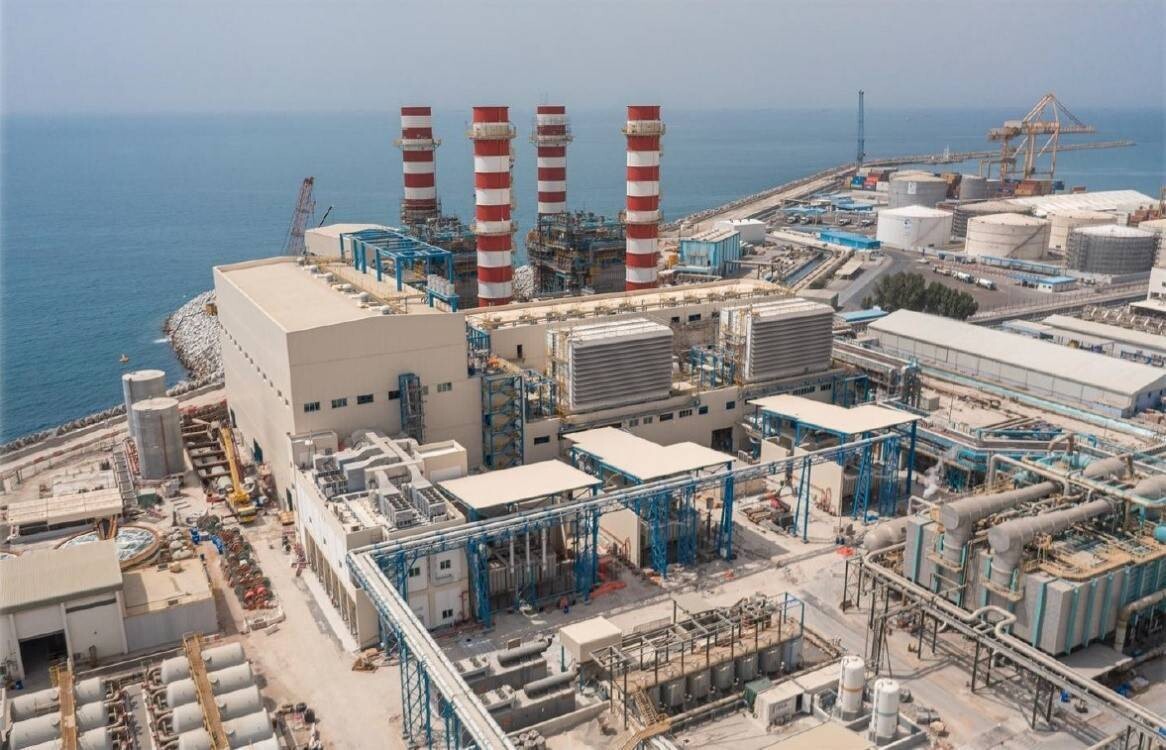
The cumulative value of clean energy projects implemented or underway in the country has exceeded 45 billion dirhams, as part of the strategy to achieve carbon neutrality by 2050. In this context, the continuous expansion in Abu Dhabi stands out, where one of the world's largest projects for integrating renewable energy with storage is being implemented, through a solar power project with a capacity of 5.2 gigawatts, supported by a battery storage system with a capacity of 19 gigawatt-hours, with investments exceeding 22 billion dirhams. The Mohammed bin Rashid Al Maktoum Solar Park in Dubai is prominent, with planned investments reaching 50 billion dirhams by 2030. These expansions include the sixth phase with a capacity of 1,800 megawatts and investments of approximately 5.5 billion dirhams, within the Independent Power Producer (IPP) model, which continues to attract private sector and global company investments. 'Mitsubishi' strengthens its presence Mitsubishi Power has strengthened its presence in the UAE market through two major power generation projects. The first is the Fujairah F3 power station, which will be one of the largest power plants using gas upon operation, at a cost of 4.19 billion dirhams (1.14 billion dollars). The company also participated in supporting the 'Al Liyya' power station in Sharjah, with a total production capacity of 1,026.3 megawatts. Khaled Salem, President of Mitsubishi Power for the Middle East and North Africa, said in an exclusive interview with 'Al Khaleej' that the UAE possesses one of the most advanced energy security models in the region, thanks to the diversity of energy sources and continuous investment in networks and production capabilities. He explained that natural gas still forms the cornerstone of electricity generation due to the operational flexibility and ability to respond quickly to variable demand, alongside the expansion of solar energy and low-emission energy sources. He added that the UAE is moving towards advanced projects that combine renewable energy and storage technologies to ensure 24/7 supply stability, considering this a pivotal shift from merely adding new capacities to building a more resilient system against weather fluctuations, load variations, and the growth of industrial and digital demand. Generation efficiency Salem noted that high-efficiency generation technologies play a crucial role in reducing electricity production costs and enhancing supply sustainability. He explained that modern gas-fired combined cycle plants can achieve efficiency of up to 65%, meaning producing more electricity with less fuel, reducing costs and emissions simultaneously. He highlighted that JAC-class gas turbines represent a model for these technologies, with their integration with solutions like hydrogen readiness, carbon capture, and renewable energy sources. He clarified that improving efficiency is not just about technology but also includes optimizing asset management and operational systems, which limits fuel consumption and maintenance costs and extends the lifespan of plants. Salem pointed out that the rapid expansion of data centers and artificial intelligence technologies will reshape the demand structure in the coming years. The UAE continues to inject large investments into clean energy projects in 2026, driven by the expansion of electricity generation from renewable sources, the development of storage technologies, and the enhancement of low-emission energy solutions.