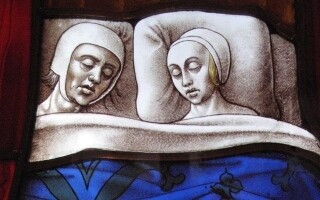
This old form of two-phase sleep was not a sign of insomnia but a natural lifestyle that aligned with the body's rhythm before modern life changed the shape of our nights. Understanding this historical pattern today can help improve sleep quality, reduce stress, and inspire more conscious nighttime habits that align with natural daily rhythms. Researchers concluded that electric lighting and evening activities were key factors in the disappearance of segmented sleep in industrial societies. Two-phase sleep, also known as segmented sleep, was the common pattern for centuries across Europe, Africa, and parts of Asia. People would typically go to bed shortly after sunset, sleep for about four hours, wake up around midnight to engage in quiet activities, and then return to bed for their second sleep, often spending time in prayer, reading, meditation, or conversing with family before resting again until dawn. During this mid-period, homes were lit by candles or lamps, and people sometimes occupied themselves with household chores, writing letters, or reflecting on personal and spiritual matters, following a natural rhythm rarely seen in modern society. Before the invention of electricity and lamps, and before spending long hours in front of screens, humans followed a completely different rest routine. In the pre-industrial world, people did not sleep one continuous block but in two distinct stages known as the first and second sleep. A study published in a sleep research journal in 2018 found that exposure to artificial light disrupts the circadian rhythm by delaying the secretion of melatonin, the hormone that regulates sleep cycles. During this period between the two sleeps, people tended to stay awake for an hour or two, praying, reading, or meditating quietly.