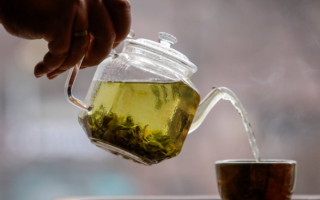
Tea is one of the most consumed beverages worldwide, but the question many ask is: which tea is the most beneficial for health? Between green, matcha, black, white, and herbal teas like chamomile and ginger, the options are numerous and the benefits vary. A report from the 'Verywell Health' website lists the healthiest types of tea, their benefits for the heart, brain, and digestive system, and how to choose the best type for your lifestyle. 1. Black tea. Black tea undergoes full oxidation compared to other types, giving it a stronger flavor and a different nutritional profile. Its health benefits are attributed to polyphenols, particularly 'theaflavins' and 'thearubigins'. Potential benefits: Improving the function of the blood vessel lining. Lowering blood pressure. A positive effect on gut microbiota. Enhancing cognitive performance. 2. Matcha. Matcha is a powder made from the full leaves of green tea plants grown in the shade. Because it contains the entire leaf, it provides a higher concentration of 'catechins', 'L-theanine', and caffeine compared to traditional green tea. Potential benefits: Improving attention, memory, and executive function. Reducing the risk of heart disease. Lowering stress and anxiety levels. Supporting gut microbiome health. 3. Bottled or sweetened tea. Many bottled teas on the market contain large amounts of sugar, which can exceed 30 grams per serving. 4. Green tea. Green tea is made from fresh leaves that are steamed at high temperatures, which helps preserve its high polyphenol content. Green tea is famous for being rich in 'theanine' and 'catechins'. Potential benefits: Improving fat metabolism and lowering cholesterol. Improving blood sugar control. Supporting heart health. 5. White tea. White tea is the least processed, giving it a higher antioxidant content. Its health benefits are also linked to its polyphenol content. Potential benefits: Improving metabolism and body mass index. Regulating blood fat levels. Improving blood flow and helping to lower blood pressure. Improving insulin sensitivity and regulating blood sugar. Supporting mental health, reducing anxiety and sleep disorders, and possibly cognitive decline. 6. Herbal tea. The most common types of herbal tea are chamomile, hibiscus, mint, ginger, and lemon balm (melissa). Each type has its own unique health properties. Chamomile: May improve sleep quality and reduce depression symptoms. Hibiscus: May help lower blood pressure and 'bad' cholesterol. Mint: Relaxes the digestive system muscles, easing stomach pains and cramps, and may improve memory. Ginger: Helps reduce nausea and vomiting, and may reduce inflammation and support digestive health. 7. 'Chai' tea. 'Chai' tea consists of black tea blended with warm spices like cloves, nutmeg, ginger, cardamom, and black pepper. It combines the benefits of black tea with the health properties of these spices. For example, ginger can reduce nausea and inflammation, while cardamom supports gut lining health. However, it should be noted that some ready-made or concentrated 'chai' teas contain high amounts of added sugar, which can reduce their health benefits. Additional considerations. The caffeine content in green, black, white, and oolong tea is similar. Adding milk or sweeteners can alter the health benefits of tea. Water temperature and steeping time affect the strength of the tea and its antioxidant content, so it's best to prepare it according to the provided instructions. Black, green, white, and oolong teas all come from the same plant, Camellia sinensis, and have similar nutritional profiles. They are often considered among the most beneficial options compared to some other herbal teas. The health benefits of herbal tea vary by type, as each has different uses and properties. Some reports suggest it may contain higher levels of catechins compared to green tea. However, excessive sugar consumption increases the risk of obesity, heart disease, and type 2 diabetes, which limits the health benefits of tea. Therefore, it is recommended to choose unsweetened varieties for maximum benefit. Theanine, an amino acid, helps reduce oxidative stress and cell damage, and may also mitigate the stimulating effects of caffeine, leading to more stable energy.