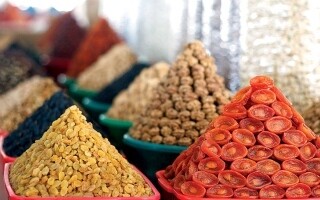
Dried apricot is one of the most popular dried fruits consumed during the holy month of Ramadan and offers numerous nutritional benefits. After drying, this fruit retains most of its valuable nutrients, making it a rich source of vitamins, minerals, and energy. Every 100 grams of dried apricot contains 241 calories, 63 grams of carbohydrates, 53 grams of sugar, and 3 grams of protein, in addition to many vitamins, including vitamin A, potassium, iron, and calcium. Dried apricot stands out from other dried fruits due to its high content of vitamin A, which helps maintain vision, skin health, and beauty. Although drying may cause some nutrient loss, apricot retains potassium. Every 100 grams of dried apricot contains 25% of the daily potassium requirement, which is beneficial for blood pressure control as it mitigates the effects of sodium. Dried apricot is a good source of iron; one cup provides 42% of the daily iron requirement, aiding in the body's energy production. It is also high in dietary fiber; one cup of dried apricot contains 38% of the daily fiber intake, which in turn alleviates constipation and promotes digestive health. Other benefits of dried apricot include reducing the risk of some chronic diseases and supporting overall health, as it contains antioxidants—compounds that help protect the body's cells from damage caused by free radicals. Dried apricot contains natural sugars, making it an energy source and a suitable choice for a healthy snack, especially for athletes or people looking for a quick energy boost during the day. Despite its many benefits, it is advisable to consume dried apricot in moderation, as the drying process concentrates its sugar and calorie content compared to fresh apricot.