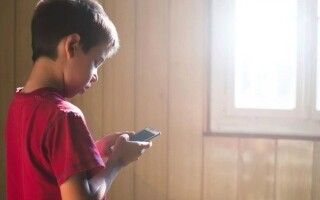
Children and young people do not just feel isolated, but also unappreciated and unheard. Generally, the numbers indicate that one-third of young people worldwide do not feel a sense of belonging to their local community, with the rate of feeling lonely among the 18-24 age group being around 70%. Simmons explains that the reason is rarely a lack of care, but rather reflects the modern reality of today's families, with parents juggling multiple responsibilities and quickly shifting conversations towards offering solutions or reassurances. Social media also contributes by creating pressure and comparison that reduces genuine communication. Meanwhile, Keenan points out that the reduction in opportunities for traditional social interaction and a lack of freedom in play and movement have increased children's sense of isolation. To alleviate loneliness, specialists advise observing behaviors more than focusing on the problem, making time for emotional connection, practicing active listening, and introducing regular family moments free from distractions like phones and devices. They also encourage organizing playdates and unstructured activities to support social interaction, emphasizing that true listening and acknowledging a child's feelings allow them to build self-confidence and a sense of belonging and connection.