In documenting civilizations, human heritage, and education, museums face urgent challenges to preserve their role as centers of knowledge and culture, and to attract the younger generation that prefers screens to traditional halls. Museum exhibits are no longer sufficient to attract the new generation, which is seeking live interactive experiences that reflect its immersion in technology and satisfy its curiosity in innovative ways. Finally, many museums, or even heritage institutions, have reshaped their presentation methods by using virtual reality, augmented reality, and smart applications, as well as immersive exhibitions that transform a visit from a brief tour into an unforgettable experience. Museum directors who spoke to «Emirates Today» agreed that museums face several challenges, including how to tell the story to the younger generation, as well as using technology to break their traditional image and offer open spaces for interaction.
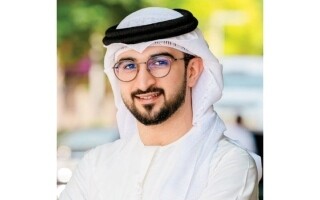
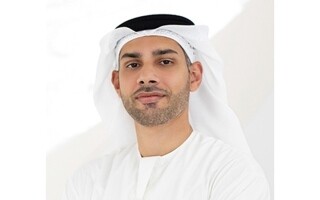
A Traditional Concept Abdullah Al Obaidli, Director of the Shindagha Museum, on how museums break the traditional image, said: «Museums have managed to transcend their traditional concept as places dedicated to preserving collections and artifacts, and have transformed into open spaces for learning and community interaction. The museum sector in Dubai is witnessing remarkable development, and Dubai Culture has succeeded in transforming the Shindagha Museum, the largest heritage museum in the country, and the Union Museum into vital spaces that contribute to enhancing communication and understanding, and encourage the exchange of expertise». He added that museums, through their various initiatives and projects, seek to attract young people and encourage them to interact with museums and the diverse cultural experiences they contain. Al Obaidli considered that modern technologies have become an effective bridge linking young people to the world of museums in an interactive and innovative way. He explained that Dubai Culture employs in the Shindagha Museum and the Union Museum the latest presentation technologies that enable visitors to explore Dubai's history in innovative interactive ways and offer them the opportunity to embark on exceptional cultural paths. He noted that both museums rely on a set of digital technologies and diverse educational tools that enhance their role in connecting generations with local heritage and help in instilling the national identity in the minds of community members.
The Museum's Status Majed Al Mansouri, Executive Director of the Museum of the Future, spoke about the museum's ability to attract visitors, saying: «Since the museum's opening in February 2022 until now, we have received more than four million visitors from all over the world, an achievement that reflects the museum's status as one of the most prominent cultural and scientific landmarks in the region and the world. Visitor data shows that young people represent a large percentage of the museum's audience, as they are the most interactive with the immersive experiences, the creative educational content, and the educational and interactive programs we offer». He added: «We believe that the real challenge lies not in attracting young people, but in maintaining their interest and inspiring them by offering renewed content and evolving experiences that keep pace with the speed of change in technologies, interests, and future trends».
Personal Experiences Obaid Al Katbi, founder of the «1185» Museum, noted that the age groups visiting his private museum are diverse, due to cooperation with local institutions, universities, colleges, and schools, in addition to the category of international visitors who visit the museum through official state visits. He explained that the museum is an inspiring place, especially for the new generations, as the visitor finds what resonates with their personality, especially since the museum contains more than 15,000 artifacts and stories told to people. He pointed out that the museum tells many personal experiences from 1971 to the present day, which contain beautiful stories that help people see hope through learning about achievements. He believed that it is necessary to develop strategies to attract the younger generation to a greater extent, confirming that the number of visitors from the youth category does not reach the aspirations, and it is necessary to develop attractive policies and direct this category, especially since the museum contains many rare and personal pieces, and therefore targets young people from the younger age group. Al Katbi believed that the world is today witnessing a technological boom that cannot be ignored, so it is necessary to employ technology to serve the field in which we work, and by employing it in the right way, society can be served. He explained that the responsible authorities should pay attention to how to attract the youth category to museums.
An Ideal Environment for Youth Faydra Fang, General Secretary of the International Council of Museums, Natural History Section, and a researcher at the National Museum of Taiwan, spoke about the Taiwanese museum's experience in attracting youth, noting that the museum implements a project to employ and train university students, which creates an ideal environment for youth to interact with people from different cultural backgrounds. She stressed that working with youth, as well as with younger students, requires more than just partnerships, as this group is at a stage of determining their destiny, so dealing with it requires a complete re-telling of the museum's narrative. She believed that technology is a tool that facilitates reaching the goal, and called for caution with artificial intelligence, which may take unpredictable steps in museums. The fundamental challenge facing museums in this era lies in how to tell the story, she stressed. Modern technologies may be attractive to children, for example, but in reality they may overshadow their interest in the information provided, and it is necessary to strike a balance in using these technologies to impress children and attract their attention, without making the technology itself the main subject.