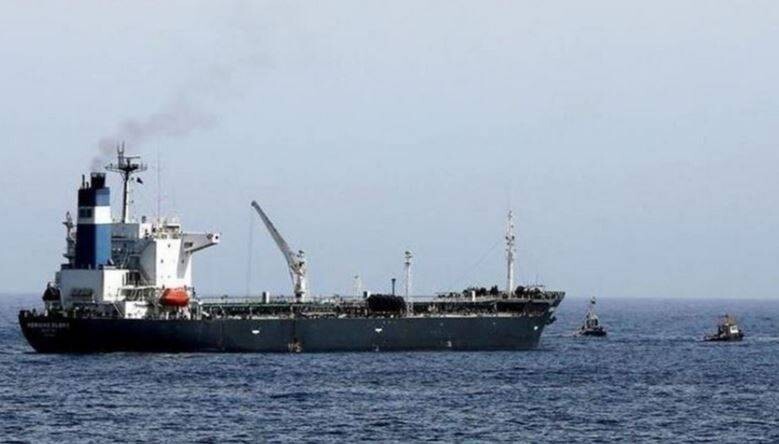
The European Union is radically reconsidering its maritime strategy, moving to expand the mission of its military force 'Aspides'. Previously, the mission was limited to defensive deployment in the Red Sea, reflecting a notable shift in the European stance, which had long been reserved against direct involvement in securing sensitive maritime routes. This shift comes against the backdrop of escalating risks in the Strait of Hormuz, a vital artery for global trade and energy. The EU's High Representative for Foreign Affairs, Kaja Kallas, deemed Iranian 'blackmail systems' in the strait unacceptable, prompting Brussels to adopt a tougher approach to protecting international shipping lanes. The new amendment to the EU mandate gives the 'Aspides' mission a broader scope, including the protection of vital maritime infrastructure, gathering intelligence on suspicious activities, and training local naval forces in countries like Djibuti. The 'Aspides' mission, launched in February 2024 with the participation of three warships, including a French one, is primarily aimed at protecting commercial ships from Houthi attacks, backed by Iran, in the Red Sea. To date, the mission has provided support to around 1,700 vessels, operating under three main tasks: escorting ships in dangerous areas, defending them against threats, and enhancing maritime domain awareness, while maintaining a clear defensive posture and refraining from conducting any strikes ashore. This development follows wide-ranging international consultations involving more than 40 countries, convened by the UK Foreign Secretary. The consultations explored ways to reopen and secure the Strait of Hormuz as a global public good, at a time when concerns are growing about a potential disruption to one of the most critical passages, through which nearly 20% of global oil and liquefied natural gas supplies transit, a situation that has already led to a sharp increase in energy prices in international markets. Between strategic caution and geopolitical pressures, the European Union today faces a real test of its ability to transform into a more influential maritime security actor, as threats to global trade routes continue to mount. The effectiveness of this new strategy will depend on the extent to which Europeans can overcome their internal divisions and activate their military and diplomatic tools in a coordinated and decisive manner.