Sports analyst Spit Khater believes the national team's failure is the responsibility of the coach and the players, not an administrative shortcoming. He stated that the Football Association is not to blame for the UAE national team's failure to qualify for the 2026 World Cup following their 1-2 loss to Iraq in the final match of the Asian playoff. Khater emphasized that the association had provided all possible means to help the 'White' team succeed in qualifying.
In an interview with 'Al Ittihad', Khater said the team's elimination was unexpected. He noted that the sports atmosphere in the UAE in the recent period reflected a great sense of cohesion and cooperation among sports institutions, from the football association to the leagues and sports councils, which created a widespread wave of optimism before the decisive matches.
'Everyone worked to provide all the reasons for success, from postponing league matches to meeting every request of the technical staff. However, the reality later revealed problems that appeared gradually during the matches,' he said.
Khater explained that the numbers indicated the possibility of good results: the team won all four friendly matches, scoring nine goals and conceding only three, which points to a clear attacking force. However, the defensive problem existed from the beginning and was not corrected.
'In official matches, the team won only one game, conceding seven goals and scoring six. This result confirms that the defensive problems identified in friendlies continued without solutions,' he added.
Khater pointed out that the constant changes and instability in choosing the right squad directly affected the team's performance. He believes the coach did not focus on important details regarding the quality of players and their roles, and also stressed that the repeated talk about the problem of crosses and warnings against making mistakes were not translated into practical solutions on the field, especially in qualifying tournaments that do not allow for room for error.
'The good performance against Iraq was commendable, the team played a strong match, and yet the Iraqi team deserved to qualify, as mistakes in football are inevitable,' he continued.
Spit Khater called for a careful evaluation of the national team's technical project to understand where the program stands and what needs to be developed in the next stage. He also wondered why the team did not show this level from the beginning of the tournament, considering that the coach was late in identifying the most suitable players and the most appropriate method.
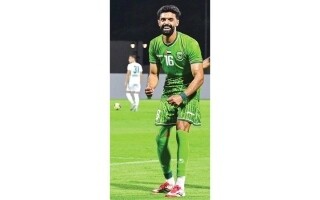
He praised Yahya Nadar's performance in the last match, confirming that he played one of his best games, scored a goal, dominated in midfield, and was more influential than Nicolas Gimenez in the same position. 'Football is not always fair, but confidence must remain. Success requires repeating the attempt and not giving up,' Khater said.
He stressed that the Football Association provided all possible facilities for the team, the fans were a strong support both in the UAE and abroad, and everyone worked as one unit, denying that the failure was due to an administrative shortcoming. Khater confirmed that the responsibility is shared between the coach and the players: there are errors related to the coach's choices, and errors caused by the players' focus on the field.
Regarding Ismail Matra's statement after the match that coach Olarion Cosmin is not to blame, Khater clarified that his opinion differs. He noted that the coach bears part of the responsibility due to unsuccessful decisions, including playing players out of position or constantly relying on substitutions without stability in a formation that would provide the required harmony. Khater confirmed that the team has distinguished elements and it was expected to benefit from them better.
As for the next stage, Khater sees that the Arab Cup represents an important opportunity for the team, for both the coach and the association, to correct mistakes and build a clear technical stability. He stressed the need for a clear meeting between the parties to set long-term goals and start working on solving defensive problems from now on, pointing out that time waits for no one and work must begin immediately in preparation for the 2027 Asian Cup.
Concluding, Khater said that the team has the ingredients for success, and the last match provides an indicator to build on. He called for continuing to work with confidence without despair, because the path to achieving goals requires patience and continuous efforts. The coach Cosmin did not focus on important details regarding the quality of players and their roles.