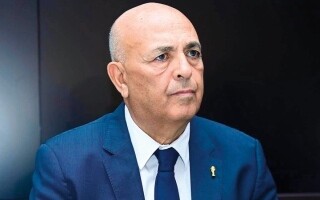
FIFA's regional technical advisor, Dr. Belhassen Malouche, commented on the United Arab Emirates national team's failure to qualify for the 2026 World Cup. He stated that a gap and the lack of readiness of the current generation of players, following the previous one coached by national coach Mahdi Ali, are the reasons for the team's non-qualification. Malouche emphasized that good training and a focus on youth and Olympic teams are the best path to developing UAE football and reaching the World Cup. He added that there was a period of about five to six years in the UAE national team's preparation for the new generation after the previous one left, which negatively affected the team's performance. Malouche noted that the UAE team could have been stronger if not for issues with player development and the competition system. The expert also highlighted that the new policy of the football union, which focuses on utilizing players with UAE nationality, needs time to yield results, similar to systems used in European countries like France and Belgium. To develop football in the UAE, Malouche believes the key is the player development process, starting with the U-17, U-20, and Olympic teams. He argued that strong youth teams positively impact the senior team, as seen in Europe and Latin America. Furthermore, Malouche stressed the importance of developing amateur football in the UAE, pointing to progress over the last two years after a period of stagnation. The football union, he said, is on the right track, rapidly implementing programs to increase the number of players and develop academies. FIFA, in turn, provided recommendations on developing women's football, training female coaches, and promoting the game across all segments of society.