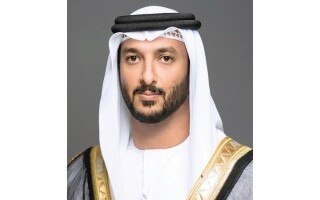
The UAE is strengthening the course of the new economy as a pivotal pillar for sustainable economic growth, relying on innovation, advanced technology, and a knowledge-based economy. This approach diversifies the economic base and enhances competitiveness across various sectors, including artificial intelligence, financial technology, green economy, and advanced industries. Minister of Economy and Tourism, Abdulla bin Touq Al Marri, confirmed that "the UAE is entering a new phase, transitioning from a knowledge-based and innovation-driven economy to the new economy model." He explained that this direction is the current roadmap toward a future economy and is one of the four main determinants set by the UAE government within the "We the UAE 2031" vision to become a global hub for the new economy by the next decade. According to the UAE's official news agency (WAM), the ministry is enabling and fostering sectors of the new economy through initiatives, partnerships, and projects. These sectors cover advanced technology, artificial intelligence, the digital economy, e-commerce, renewable energy, the circular economy, green technologies, digital media and arts, financial technology, and smart transport. This has contributed to the number of companies and commercial licenses operating in new economy sectors reaching 56,000 by the end of the first half of 2025. Bin Touq also highlighted collaboration with partners in both the public and private sectors to develop proactive legislation and policies to accelerate the nation's transformation into a global hub for new economy sectors. Ten policies and laws have been issued and updated in these vital sectors, most notably the Law on Trade through Modern Technological Means and the Law on Regulating and Protecting Industrial Property Rights. Regarding the National Policy for Economic Clusters, which is a key driver for enhancing the new economy's contribution to the country's GDP, Bin Touq affirmed that work is currently underway in cooperation with the ministry's partners to develop the Food Economic Cluster. This cluster integrates agricultural production, food industries, and modern agricultural technology into a single system based on cooperation and integration. "This cluster aims to increase the contribution of the food sector and all its related activities to the country's GDP, and to enhance the level of competitiveness and empowerment for private sector companies operating in this vital sector, especially as it is witnessing continuous growth," he stated, noting that the number of national and foreign registered trademarks operating in this field reached 40,486 by mid-2025. He also pointed out that the UAE Council for the Circular Economy is currently working on the second package of policies to advance the nation's transition to a circular economy model. These policies target creating a national roadmap for green infrastructure, encouraging the circular management of water in industries, national guidelines for designing multi-material products, developing reverse logistics and supply chains, and supporting projects with a significant impact on reducing waste. The new economy embodies the UAE's clear national vision of building a flexible and diversified economy led by innovation, relying on national competencies and attracting quality investments, supported by a range of government policies, initiatives, flexible legislation, and advanced infrastructure. This system helps solidify the country's position as a global hub for business and innovation and enhances its readiness for global economic shifts and future requirements. Twenty-two policies for the circular economy have been approved and implemented across various fields. These include measures to improve waste management and enhance recycling in the country, starting from applying the Extended Producer Responsibility, developing a source-separation waste system in residential, commercial, and institutional sectors, creating a national database for materials and waste, and regulating the flow of resources between emirates to support investments in recycling facilities and prevent the leakage of plastic and recyclable materials. Notably, the policies stemming from the Council's work include measures to reduce food loss and waste, promote the sustainable management of agricultural resources, expand the use of recycled content in consumer goods, regulate the lifecycle of tires and biodiesel, develop infrastructure for electric vehicles and unify charging systems, support sustainable aviation fuel, and improve the regulation of operational leasing and waste oil management.