Dubai witnesses a distinguished array of cultural and social events during the second week of the holy month of Ramadan within the 'Wulfa' season. The festive atmosphere celebrates the values of reflection, unity, and blessings, showcasing the essence of the sacred month in the emirate. From collective iftar tables to cultural activities and diverse performances, all encourage Dubai's residents and visitors to engage and participate in Ramadan traditions with an authentic communal spirit.
Throughout Ramadan, Dubai experiences notable activity across its neighborhoods, public squares, and various destinations, especially after sunset. Programs and events continue throughout, reflecting Dubai's unique charm during this month. The sky over Dubai Creek lights up with fireworks displays held after iftar throughout the holy month. The program launches on the historic waterfront of Al Seef Souk, accompanied by decorative lighting inspired by heritage, roaming cultural shows, and unique culinary experiences. This event reflects the atmosphere of traditional gatherings in residential areas within one of Dubai Creek's historical sites.
Drones present a light show reflecting the values of harmony, hospitality, and contemplation that define the holy month in a modern, luminous vision. These scenes illuminate the city's sky with harmonious formations, attracting residents and visitors to watch from the waterfront. Streets and key locations in the city are adorned with attractive decorations, illuminated facades, and Ramadan motifs, lending a distinctive character to Dubai's evenings during the holy month.
The Festival Bay area in Dubai Festival City hosts a series of unique events during Ramadan, starting with nightly drone shows, moving through a Ramadan market and dedicated dining areas, to lantern processions and shared seating areas with stunning water views. These activities offer exceptional opportunities for family and friend gatherings. City Centre Mirdif shines with Ramadan decorations and traditional designs and opens its doors to visitors for extended hours, offering evening programs designed to encourage post-iftar socializing in a friendly atmosphere. It also highlights the cultural character and distinctive lighting across various destination spaces, adding more appeal to the experience of families and visitors throughout the holy month.
The 'Ramadan Unites Us' event features a light show and a seating area on the waterfront at Jumeirah Beach Residence, along with cultural programs that encourage social interaction. 'Stargazing' at Jumeirah An Naseem offers an open waterfront space providing iftar and suhoor experiences that highlight Emirati hospitality against a stunning backdrop of the Arabian Gulf. Meanwhile, at Dubai Mall, an exclusive dining experience titled 'Secrets Revealed Under the Crescent at T.Bistro' is available throughout the holy month. It features a curated menu suited for moments of togetherness and iftar under the crescent, highlighting distinctive Emirati 'fawalee' hospitality tables alongside light appetizers that enhance the 'wulfa' atmosphere before starting main courses.
Main public squares feature performances by the traditional 'Buteirah' group and a lineup of solo musicians, lending a genuine Emirati character that enriches Ramadan evenings. At The Seaf, Bluewaters, The Outlet Village, Mall of the Emirates, and Dubai Festival City Mall. Squares are also decorated with a series of light shows inspired by the holy month's atmosphere, distinguished by their unique forms and brilliant glow, aiming to encourage visitors to reflect and unwind during evening social gatherings.
Ramadan decorations create a warm evening ambiance in the city, painting a unified seasonal picture across major neighborhoods. Ramadan Nights and Spirits transform Dubai Creek into a vibrant space filled with heritage decorations and pulsing with roaming cultural performances.
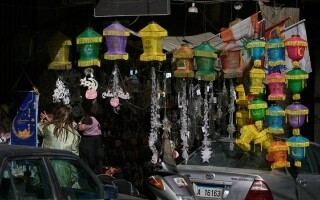
In Lebanon, the month of Ramadan brings a unique spiritual and social atmosphere, blending a religious character with folk traditions passed down through generations. Among the popular drinks during the holy month are jallab, qamar al-din, and a variety of natural fruit juices. Despite the diversity of Lebanese society, Ramadan holds a special presence in cities and villages, where streets are adorned with lanterns and lights, and markets throng with people before iftar, reflecting the joy of the month.
The month's atmosphere begins before the fast with 'Seebanat Ramadan', an old Beirut tradition where people gather by the sea to stroll and eat salty foods and sweets before starting their fast. Lebanese cities, including Beirut, Tripoli, Sidon, and other regions and villages, are illuminated with lights and lamps, their markets bustling with people, and religious celebrations are held. The atmosphere culminates with prayers, as mosques fill with worshippers, especially during Tarawih prayers, and celebrations are held in historical mosques, including the Mansouri Grand Mosque in Tripoli.
All these customs make Ramadan in Lebanon an occasion that transcends fasting, turning it into a season of worship, gathering, and strengthening family and social bonds through renewing the values of love and giving in a society that preserves its traditions despite all challenges. A season for worship, gathering, and strengthening family and social bonds, renewing the values of love and generosity.
Among the traditions still passed down through generations are the iftar cannon and the musaharati. Among the customs still present in Beirut is the iftar cannon, as well as the musaharati, who roams the streets at night, reciting phrases such as 'O sleeper, who is always alone,' to awaken the fasting.
Lebanese tables are distinguished by some dishes considered staples during the month of Ramadan, including fattoush, soup, stuffed grape leaves, kibbeh, molokhia, and other dishes. Desserts during Ramadan are varied, but the most prominent are fried and cream-filled, such as 'klaj' and 'qataif', 'znoud el-sit', as well as knafeh with cheese, halawet el-jibn, and other varieties that include cream or nuts. As for suhoor, it is characterized by its light dishes that help fasting people endure hours of abstaining from food, including labneh, cheese, eggs, and ful, as well as manakish in some regions.
Ramadan evenings extend late into the night, as relatives and friends gather in homes or cafes to chat and watch Ramadan serials and programs. Like many Arab countries, Lebanon is home to many 'Rahman' tables that highlight solidarity among members of one community.