This often happens due to exploiting existing security vulnerabilities in the operating systems of the devices themselves or in the associated smart applications. In this context, two experts in technology and cybersecurity confirmed to 'Emirates Today' that there is a set of tips and guidelines that can be followed to reduce the likelihood of these devices being hacked, highlighting six main tips: updating device systems regularly, creating separate internet networks for them, reviewing privacy settings, purchasing devices from trusted brands, changing default passwords, and checking the permissions granted by applications linked to the device.
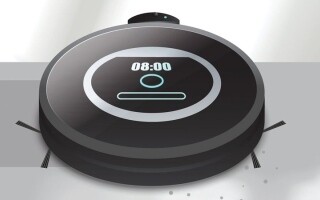
In detail, cleaning robots, known as 'robotic vacuums,' which have recently become more reliant on, use intelligent technologies and systems that enable them to clean floors automatically without direct human intervention. They use advanced sensors like lasers or cameras to scan their surroundings and create a precise map of the home's layout, allowing them to move in an organized and systematic manner during the cleaning process.
The role of some 'robotic vacuums' is not limited to just cleaning; they are now equipped with advanced technical features that make them capable of performing additional functions.
The danger of these devices lies in the fact that they may contain sensitive information about homes, due to their reliance on advanced technologies such as cameras or systems capable of creating detailed maps of the home's layout while performing cleaning tasks.
The expert agreed that it is necessary to take a set of precautionary measures to reduce the chances of these devices being hacked, the most prominent of which are updating the device's systems and associated applications regularly, purchasing devices from trusted brands, and reviewing privacy settings. He also stressed the importance of checking the permissions granted by applications linked to the device, such as access to the camera, microphone, or geographic location, as well as adjusting security settings and passwords.
With the growing reliance on cleaning robots, known as 'robotic vacuums,' these devices have become an essential part of daily life in several homes. However, with the rapid advancement in the capabilities of these devices, multiple international reports have emerged warning of the associated security risks. The ease with which these devices can be exposed to hacking could lead to data leakage or unauthorized access to sensitive information by unauthorized parties.
Some of these devices can function as a mobile surveillance camera connected to the internet, as well as enabling voice or video calls through the applications linked to them.
Conversely, the connection of these devices to home internet networks makes them more vulnerable to cyberattacks, according to several international reports. Hackers can exploit these vulnerabilities to gain access to the device's built-in cameras and microphones, allowing them to monitor the home's residents or record their conversations without their knowledge.
Hacking can also lead to the leakage of photos or videos from inside rooms, in addition to sensitive data such as detailed maps of the home's layout that the sensors collect during operation.
In this regard, a cybersecurity expert and Chairman of Security Consultants at the global cybersecurity company 'Kaspersky,' Imad Al-Hafar, stated that 'robotic vacuums' are among the devices that could be targeted by cyber-hacking attacks, which necessitates taking a set of preventive measures to reduce the chances of exposure to these attacks that could exploit these devices as an entry point to access home networks.
Al-Hafar explained that there are five basic tips and guidelines to avoid hacking 'robotic vacuums.' The first tip is to avoid purchasing these devices randomly, it is necessary to choose well-known and trusted brands in the market, and it is also preferable to buy new devices instead of used ones.
The second tip relates to the necessity of changing the default passwords for the device's accounts or the associated applications and replacing them with strong and complex passwords. As for the third tip, Al-Hafar explained that it involves reviewing the device's privacy settings and ensuring that the data collected is not shared with untrusted third parties.
The fourth tip relates to creating a separate 'Wi-Fi' network within the home dedicated to smart devices such as 'robotic vacuums.' This is done by setting up a wireless network with a separate username and password, so that these devices are not directly linked to the main network to which phones and computers are connected.
Al-Hafar stated that the fifth tip is the necessity of updating the device's operating systems and associated applications regularly, as these updates often include fixes for security vulnerabilities that hackers could exploit.
On his part, technology expert Dr. Mohamed Al-Faki stated that cleaning robots are smart devices that could be vulnerable to hacking due to the existence of vulnerabilities in their systems or in the applications linked to them.