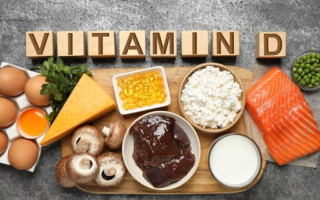
Vitamin D is a crucial element for bone and immune health, but its absorption in the body depends not only on the dose but also on the quality of the accompanying food. The absorption process for this vitamin is complex and relies on the interaction of several nutrients, not just supplements. Healthy fats play a significant role, as vitamin D is fat-soluble, not water-soluble. These fats help transport it through the intestines into the bloodstream. According to a report on the Verywell Health website, combining the vitamin with specific foods can significantly improve its absorption. Among these factors, healthy fats are paramount. Research indicates that magnesium is an essential element for activating vitamin D in the body, participating in its conversion into its active form in the liver and kidneys. A deficiency in this mineral can limit the vitamin's effectiveness, even when it is available in sufficient quantities. Protein also plays a supportive role in the metabolic processes related to vitamin absorption. Rich sources include lean meats, dairy products, legumes, and eggs. While vitamin K does not directly increase absorption, it works in tandem with vitamin D to regulate calcium in the body, which enhances bone health and reduces the risk of fractures. On the other hand, studies suggest that gut health plays an important role, as probiotics and fermented foods like yogurt and kimchi help improve the gut environment, which may boost vitamin D levels in the blood. What do these results mean? These findings show that vitamin D absorption is a complex process that depends on the interaction of several nutrients, not just supplements. Therefore, enhancing vitamin D absorption does not require major changes but depends on a smart dietary balance. Combining healthy fats, minerals, and proteins can be a simple yet effective step. Useful sources include fatty fish like salmon and sardines, as well as olive oil, nuts, and avocado. Zinc also contributes to supporting the work of vitamin D receptors within cells, which helps improve its vital effect, especially regarding immunity. However, this relationship remains complementary and not directly causal, as the response varies from person to person depending on their health status and dietary patterns. The conclusion is that enhancing vitamin D absorption does not require major changes, but depends on a smart dietary balance.