Regular consumption of certain seeds may help slow sugar absorption after meals and lower glucose levels, although study results remain mixed. While advice typically focuses on reducing sugars and carbohydrates, many overlook the importance of simple foods like seeds, which can make a noticeable difference.
Seeds are known for their rich composition of fiber, protein, and healthy fats, which contribute to slowing down digestion, thus helping to prevent sudden spikes in blood sugar levels. Some evidence also suggests they may improve the body's insulin sensitivity, aiding in blood sugar regulation. Health reports indicate that varieties such as chia, flax, and pumpkin seeds may support glucose control and metabolic stability, according to Very Well Health.
Here are the most prominent of these seeds that should always be within reach:
-
Chia Seeds Chia seeds are among the most nutrient-dense seeds, rich in fiber and protein. When consumed, they absorb fluids in the digestive system, forming a gel-like substance in the intestines that slows digestion and limits blood sugar spikes. They also contain plant compounds called lignans, known for their antioxidant and anti-inflammatory properties, which may play a role in blood sugar regulation and heart health.
-
Flax Seeds Flax seeds are distinguished by their high fiber content, which helps slow digestion and maintain stable blood sugar levels. The magnesium in them is a crucial element in the process of converting food into energy, and research shows that diets rich in it may reduce the risk of type 2 diabetes by up to 15%. Studies have also shown that consuming ground flax seeds or flaxseed oil may help lower blood sugar levels and reduce the risk of type 2 diabetes.
-
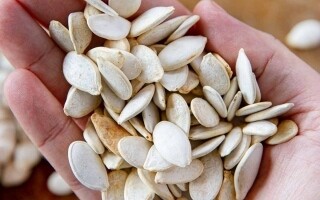
Pumpkin Seeds Pumpkin seeds are a rich source of important nutrients like fiber, magnesium, zinc, antioxidants, and unsaturated fats. These seeds contain chlorogenic acid, a potent plant antioxidant that may help reduce inflammation and regulate blood sugar levels. Additionally, chia seeds help promote a feeling of fullness for longer periods.
-
Sunflower Seeds Despite the need for more research, some studies suggest that regular consumption of sunflower seeds may contribute to lowering blood sugar levels.
-
Fenugreek Seeds Fenugreek seeds are derived from a plant known for its medicinal properties and are sometimes used as a dietary supplement to support diabetic patients. However, further studies are still needed to confirm their direct effectiveness in lowering blood sugar. One study indicated that consuming about 57 grams of these seeds with a carbohydrate-rich meal may help lower blood sugar levels.
Diet plays a fundamental role in controlling blood sugar levels, especially for individuals at risk of diabetes or those seeking to maintain a healthy balance in their bodies. Furthermore, consuming seeds with carbohydrates can reduce post-meal blood sugar spikes.