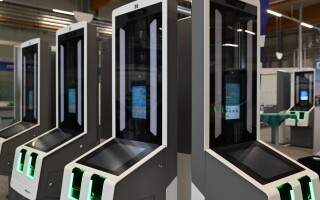
The European Commission has decided to postpone the full application of the new entry and exit system at the European Union and Schengen area borders until September 2026, instead of the previously scheduled date next April. This decision comes against the backdrop of growing concerns about travel chaos during the summer season, a Commission spokesperson confirmed. The system, which relies on registering biometric data from visa-exempt third-country nationals, had been phased in since October 2025 at several European airports and seaports. However, its rollout faced technical and operational difficulties, leading to significant delays for travelers by air, ferry, and through the Channel Tunnel. Airports reported long queues and delays that, in some cases, reached several hours, causing some passengers to miss their flights. According to a report by Airports Council International – Europe (ACI Europe) at the end of last year, processing times at border control points increased by up to 70%, with wait times reaching three hours during peak hours. In December last year, authorities at Lisbon airport were forced to suspend the system's operation for three months after recording 'serious malfunctions' in border control amid complaints of waits of up to seven hours. A European Commission spokesperson, Marc Lament, said during a press briefing that 'implementing a system of this size and complexity is a major challenge,' explaining that extending the flexible period during the summer 'gives member states the capacity to address potential issues and avoid summer travel chaos.' The decision grants member states a wider margin for managing the gradual transition to biometric data collection, according to their airports' and seaports' capacity. This means that for travelers, manual passport stamping will continue in some cases over the coming months.