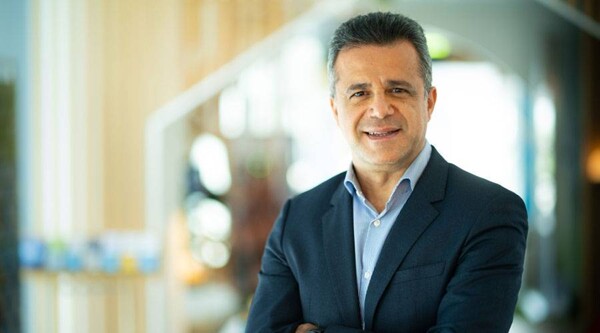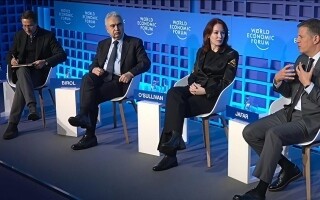
It is expected that the sharp acceleration in demand for electricity to power artificial intelligence and data centers will lead to global electricity generation exceeding 1,000 terawatt-hours by 2030 to meet data center needs. With visionary leadership, sound policies, and available capital and supplies, the United Arab Emirates has demonstrated its leadership in enhancing global energy resilience, possessing the components and capabilities to be the strongest and best positioned to meet the growing demand for energy to power AI in the future. The session brought together energy sector leaders and policymakers to discuss how different regions are responding to the increasing pressures on energy systems and infrastructure. The panel of speakers included, alongside Jaffar, BHP CEO Mike Henry, International Energy Agency Executive Director Fatih Birol, AES CEO Andres Gluski, and Harvard University's Belfer Center for Science and International Affairs Director Meghan O'Sullivan. The countries that will have continuous supplies and rapidly and extensively modernize their grids will lead the paths of progress in the coming stages. The session was chaired by Chatham House Honorary Fellow Sir Robin Niblett. Today's meeting agenda included a discussion panel titled 'The New Energy Agenda: Accessibility, Resilience, and Artificial Intelligence' as part of the Energy Leaders Breakfast in Davos, hosted by Jaffar and Musabbeh Al Kaabi, ADNOC's Executive Director of Exploration, Production and Development, which brought together top industry leaders to discuss how energy systems will evolve to meet the growing global demand and support economic and technological advancement. Participants agreed that the demand for electricity to power AI has become a critical measure of energy security, linking economic competitiveness, infrastructure resilience, and long-term investment decisions amidst the mounting pressures faced by global energy systems and infrastructure. Jaffar stated: 'Expansion plans in the Middle East enhance the region's ability to build flexible, reliable, and cost-effective energy systems. To succeed, global leaders and the private sector must adopt practical and comprehensive energy strategies based on the integration of diverse energy resources, ensuring supply stability and reliability, supporting emissions reduction, and achieving long-term growth'. The World Economic Forum's annual meeting is held from January 19-23, 2026, in Davos, Switzerland, with the participation of government, business, civil society, and academic leaders to set priorities and discuss global challenges. Crescent Petroleum CEO and Dana Gas board member Majid Jaffar confirmed that the rapid rise in global energy demand has placed energy security at the forefront of global economic competitiveness and geopolitical influence, in his address to business leaders and policymakers at the World Economic Forum's annual meeting in Davos. During a session titled 'Who Leads on Energy Security?', Jaffar spoke on the rapidly increasing levels of energy demand that are radically reshaping energy systems, pointing to the need for $4 trillion in annual capital investments in developing grids, data centers, and all energy resources. In this context, Jaffar highlighted the growing role of the Middle East region, particularly the UAE, in enhancing global energy systems, driven by its ability to scale up energy investments amidst the accelerating global demand for energy to power the AI, data centers, and electrification sectors. This year's meeting carries the theme 'The Spirit of Dialogue', calling for decisive steps through the cooperation of all parties and stakeholders to effectively tackle the challenges in the current geopolitical and economic landscape. He noted that regional natural gas production is expected to increase by around 30% by the end of the decade and will require investments of about $200 billion. Jaffar said: 'Energy security today depends on having global systems capable of absorbing shocks, expanding in line with demand, and bearing long-term costs'.